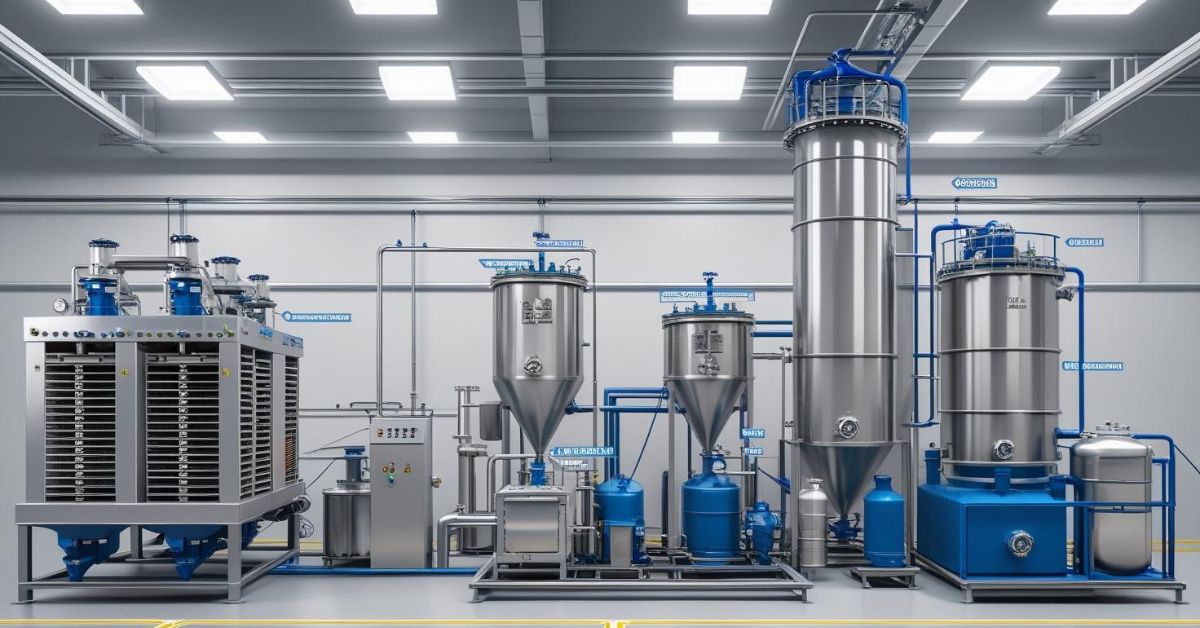
In most industries, solid liquid separation is one of the fundamental processes. This step influences the effectiveness of the process as well as the quality of the end result. It is used in mining, pharma, food, and water treatment. Solid-liquid separation helps systems run better.
According to reports, the solid-liquid separation equipment market is expected to reach $6.8 billion by 2033. This is due to rising demand in the chemical and environmental industries.
So, what is solid-liquid separation, how does it take place, and what equipment is involved? Let’s break it all down.
About Solid-Liquid Separation
Solid-liquid separation is defined as the process of removing solid particles from a liquid. This is ideal for the recovery of solids, cleaning liquid, or both. It can operate using machines, gravity, or chemicals.
How to Separate a Solid from a Liquid
The separation of solid and liquid depends on particle size, slurry density, and the desired purity of the output. A solid liquid separator works by creating conditions, through pressure, gravity, or spinning force, that push solid particles away from the surrounding liquid. Whether it’s a simple gravity sedimentation tank or an advanced solid liquid separation machine, the end goal remains the same: cleaner liquid and drier solids, with minimal energy and material loss.
Common Methods of Solid-Liquid Separation
Separation of solids and liquids is done differently in various industries. These are some common methods:
Filtration
A filter medium traps solids as the slurry flows through it. This process is primarily used in the pharma, mining, and food sectors for precise separation.
Sedimentation
In this method, solids sink to the bottom of a tank due to gravity. It is mostly used in water treatment and mineral work where large amounts of material are handled.
Centrifugation
This method spins the slurry fast. The solids are separated at the edge, and the liquid remains in the middle. It works well for small particles. This is used in the dairy, biotech, and chemical sectors.
Flotation
Tiny air bubbles attach to solid bits and bring them to the surface. These solids are then removed. Mining and pulp industries use this method to separate fine particles.
Membrane Separation
This method uses pressure and membranes to separate tiny solid bits. It finds application in pharma and biotech, where pure outcomes matter.
Solid Liquid Separation by Centrifugation: A Closer Look
Centrifuge solid liquid separation is one of the most widely adopted techniques for handling dense or fine slurries. A solid/liquid separation centrifuge applies high rotational force, pushing heavier solid particles outward while lighter liquid stays near the center. This method is especially valued in continuous solid liquid separation setups, where uninterrupted processing is required for high-volume operations in chemical processing and biotech industries.
Gravity Sedimentation in Solid Liquid Separation
Gravity sedimentation remains one of the simplest and most cost-effective solid liquid separation methods. It relies on natural settling rather than mechanical force, making it a preferred choice for large-scale wastewater solid liquid separation and mining liquid solid separation applications where high volumes of slurry need to be processed economically.
Equipment Used in Solid-Liquid Separation
Depending on the nature of the material, the size of the job, and the required results, the right machine is different. These are the major categories of equipment:
- Filter Presses: Used for batch jobs and solid drying. They give good, solid capture and clean liquid.
- Centrifuges: Best for ongoing jobs with small particles or thick sludge.
- Clarifiers & Thickeners: Used for settling solids with gravity and handling large volumes.
- Rotary Vacuum Filters: Good for filtering big amounts of slurry.
- Membrane Systems: These are used for fine-level filtering where very clean results are needed.
Each machine has its pros and cons. Picking the right one helps cut downtime and saves money.
Solid Liquid Separation Equipment Selection
Choosing the right solid liquid separator machine is not a one-size-fits-all decision. Selection depends on several factors:
- Particle size and slurry consistency — fine particles often need centrifuges or membrane systems, while coarser solids are handled well by filter presses or rotary vacuum filters.
- Volume and continuity of operation — batch processes suit filter presses, while continuous solid liquid separation demands centrifuges or clarifiers.
- Industry-specific needs — mining tailings, wastewater sludge, and chemical slurries each call for different solid liquid separation technology.
- Budget and maintenance — equipment with lower upkeep costs may be preferred for long-term industrial use.
A well-thought-out solid liquid separation process design accounts for all these variables to ensure efficiency and durability.
Solid-Liquid Separation Principles in Industrial Applications
The core solid liquid separation principles, mechanical force, gravity, and pressure-driven filtration, apply across industries, but their execution varies:
- Mining industry: Tailings solid liquid separation is critical for recovering water and minimizing environmental impact. Mining liquid solid separation systems often combine sedimentation with mechanical dewatering.
- Wastewater treatment: Wastewater solid liquid separator systems and sludge solid liquid separation processes help treatment plants meet discharge standards while recovering usable byproducts.
- Chemical processing: A chemical processing solid liquid separator must handle corrosive or reactive slurries, often requiring specialized membrane or centrifuge-based systems.
Understanding these mechanical solid liquid separation principles helps industries select systems that are both efficient and compliant with environmental standards.
Conclusion
A central aspect of various industries is solid-liquid separation. It assists in the enhancement of outcomes, trash reduction, and clean operations.
At Amol Minechem Limited, we offer strong solutions for solid-liquid separation. Our systems serve the needs of chemical, industrial, and eco-focused jobs. Our team ensures you get the best tech, the right support, and results that matter.