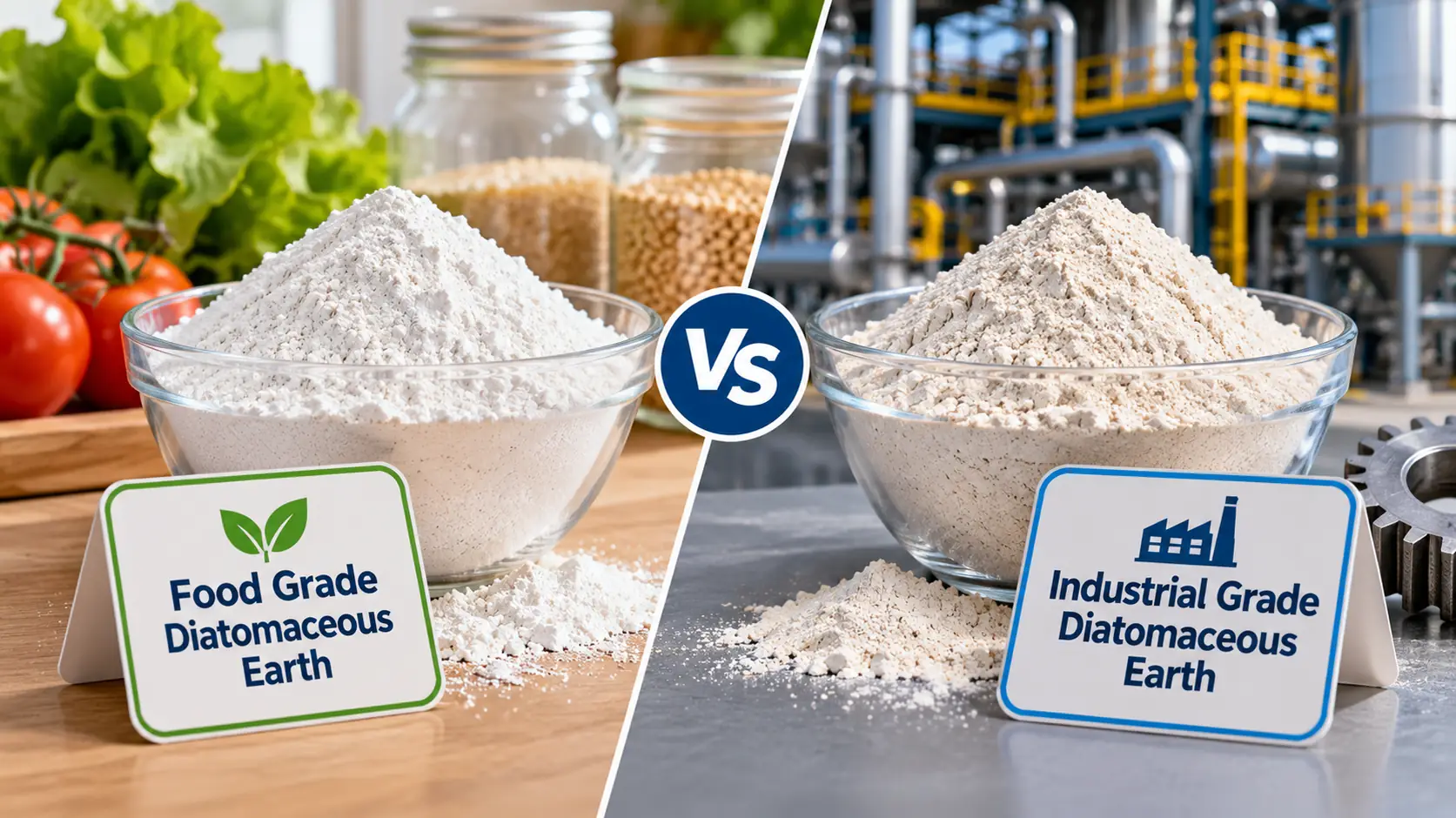
Not every powder that looks similar serves the same purpose. Diatomaceous earth is a natural material made from the fossilised remains of tiny aquatic organisms called diatoms. It has several uses across different industries, from pest control to filtration. However, food-grade and industrial-grade varieties are not interchangeable. If you are researching Diatomaceous Earth India, knowing the difference between these two types can help you find a product suited to your intended application!
What Is Food Grade Diatomaceous Earth?
Food grade diatomaceous earth is processed and tested to meet specifications for certain food-related applications. It is commonly used as a filtration aid in food and beverage processing. Some products are also marketed for pest control and other household applications. However, food grade does not mean edible or suitable for every use. Its purity, composition, and intended application should always be checked before purchasing or handling the product.
What Is Industrial Grade Diatomaceous Earth?
Industrial-grade diatomaceous earth is designed for commercial and industrial applications rather than food-related use. It is commonly used in filtration, manufacturing, insulation, and other specialised processes. Some varieties undergo high-temperature treatment, which can increase their crystalline silica content. This makes proper handling particularly important. Industrial-grade products must never be assumed safe for consumption or household applications simply because they contain natural diatomaceous earth.
Key Differences Between The Two Grades
The biggest difference lies in their processing, composition, and intended applications. Food grade products generally have controlled specifications for permitted food-processing uses, while industrial grades are manufactured for technical requirements. Their crystalline silica content can also differ significantly. Both varieties can produce fine dust, which creates an inhalation risk. Always check the product’s technical specifications and safety data sheet instead of relying on the grade name alone.
Where Is Each Type Commonly Used?
Food grade diatomaceous earth is used as a filtration aid in applications such as beverage processing. Certain approved formulations are also used for pest management. Industrial grade varieties serve purposes such as pool filtration, industrial filtration, insulation, and manufacturing. The correct product depends on the process and applicable safety standards. For businesses sourcing diatomaceous earth, checking the manufacturer’s recommended applications helps avoid unsuitable purchases and unnecessary handling risks.
Safety, Handling, And Storage
Regardless of the grade, diatomaceous earth should be handled carefully because airborne dust can irritate the respiratory system. Avoid creating dust, use suitable protective equipment, and follow the manufacturer’s safety instructions. Industrial grades containing higher crystalline silica levels require particularly strict exposure controls. Store the material in a sealed, dry container away from moisture. Never use industrial grade material for food-related purposes or assume food grade products are harmless to inhale.
In Conclusion
Food grade and industrial grade diatomaceous earth serve different purposes, and selecting the right one starts with knowing your application. While one is suitable for certain food-processing uses, the other supports specialised industrial requirements. If you are comparing Diatomaceous Earth India suppliers, check product specifications, certifications, crystalline silica content, and safety documentation.
Explore Innovative Mineral Solutions With Amol Minechem Today!