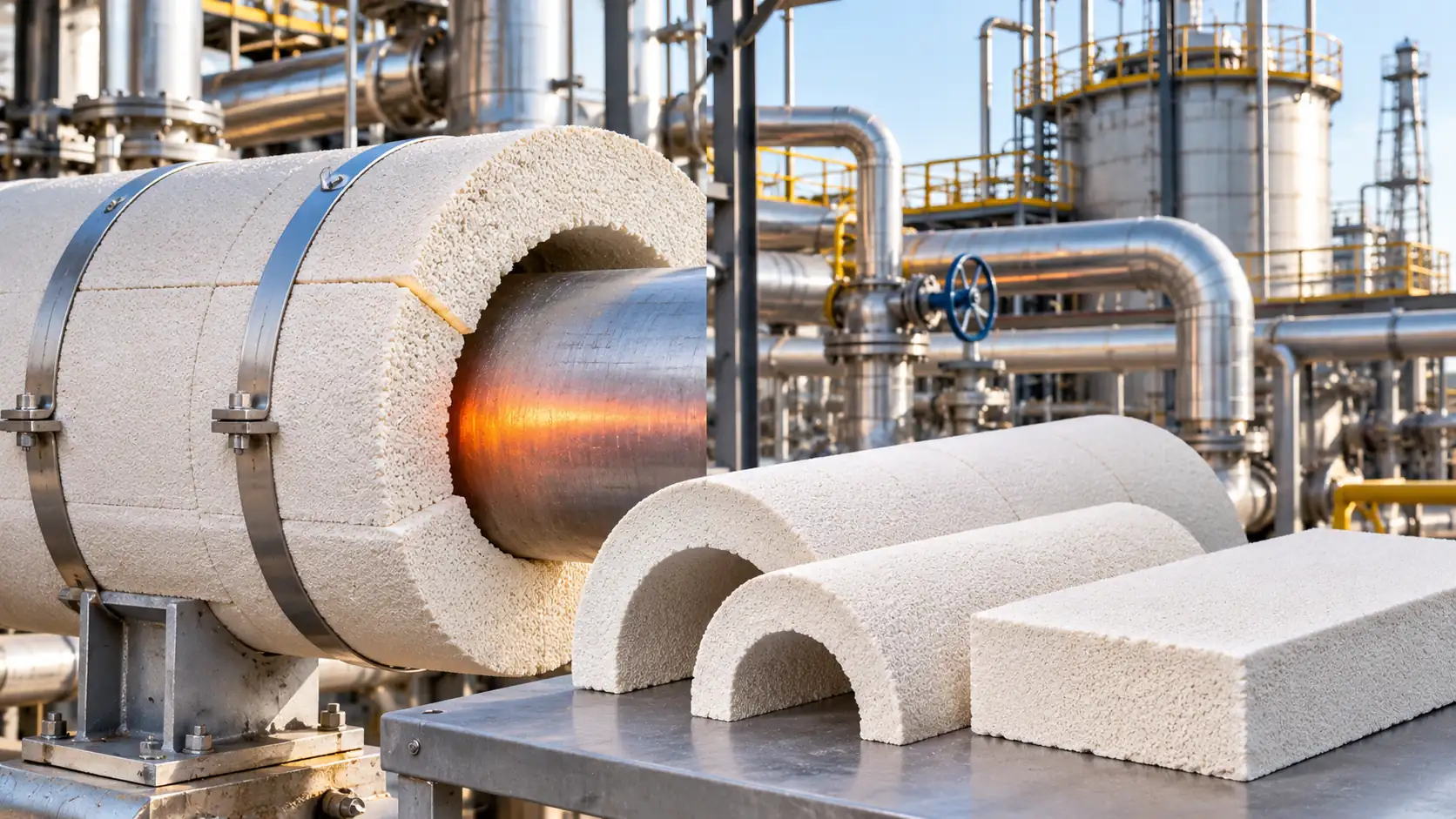
Maintaining comfortable indoor temperatures can be challenging when buildings are exposed to extreme heat or cold. This is where thermal insulation becomes important! It is a method of reducing heat transfer between spaces with different temperatures, helping buildings and equipment maintain more stable conditions. From homes and offices to industrial facilities, insulation plays an important role in improving energy efficiency and reducing temperature-related losses. The right insulation material thermal solution can also help improve comfort, protect equipment, and support better energy management.
What Is Thermal Insulation?
Thermal insulation refers to materials or systems designed to slow down the movement of heat from one area to another. Heat naturally travels from warmer spaces to cooler ones through conduction, convection, and radiation. Insulation reduces this transfer by using materials with low thermal conductivity. It helps keep indoor spaces cooler during summer and warmer during winter. Its effectiveness depends on the material, thickness, installation quality, and surrounding environmental conditions.
Common Materials Used For Insulation
Different materials are used for thermal insulation depending on the application and temperature requirements. Fibreglass, mineral wool, foam boards, cellulose, and polyurethane foam are some commonly used options. Each material offers different levels of thermal resistance, moisture protection, and durability. For industrial applications, specialised insulation products may also be required to handle high temperatures. Suitable thermal insulation thermal solutions depend on the environment, performance expectations, and specific project requirements.
How Is Thermal Insulation Used In Buildings?
In residential and commercial buildings, insulation is commonly installed in walls, roofs, ceilings, and floors. These areas are exposed to external temperature changes, allowing heat to enter or escape. Proper insulation helps maintain comfortable indoor conditions while reducing the workload on heating and cooling systems. It can also contribute to lower energy consumption over time. The right installation helps minimise unwanted heat transfer and improves the overall thermal performance of a building.
Its Role In Industrial Applications
Thermal insulation is equally important in industrial environments where temperature control directly affects equipment performance and operational safety. It is used on boilers, furnaces, pipelines, storage tanks, and processing equipment to reduce heat loss or prevent unwanted heat gain. In certain applications, it also helps protect workers from hot surfaces and supports consistent operating temperatures. An experienced insulation supplier can help identify suitable products based on operating conditions, temperature limits, and industrial requirements.
Benefits of Using Thermal Insulation
Thermal insulation offers several benefits beyond maintaining comfortable temperatures. It can reduce energy consumption, lower heating and cooling costs, and improve the efficiency of equipment and building systems. Certain insulation materials also provide additional advantages, such as sound absorption, fire resistance, and condensation control, depending on their composition and installation. By limiting unnecessary heat transfer, insulation supports better resource management and can contribute to longer equipment life.
Final Words
Thermal insulation is an important part of modern construction, manufacturing, and industrial operations. It helps control heat movement, improves energy efficiency, and protects buildings and equipment from unwanted temperature changes. Opting for appropriate materials and ensuring correct installation are essential for achieving reliable results. Working with a knowledgeable insulation supplier can help identify suitable insulation solutions for different applications and long-term performance needs.
Need dependable mineral solutions for your business? Get in touch with Amol Minechem Today!